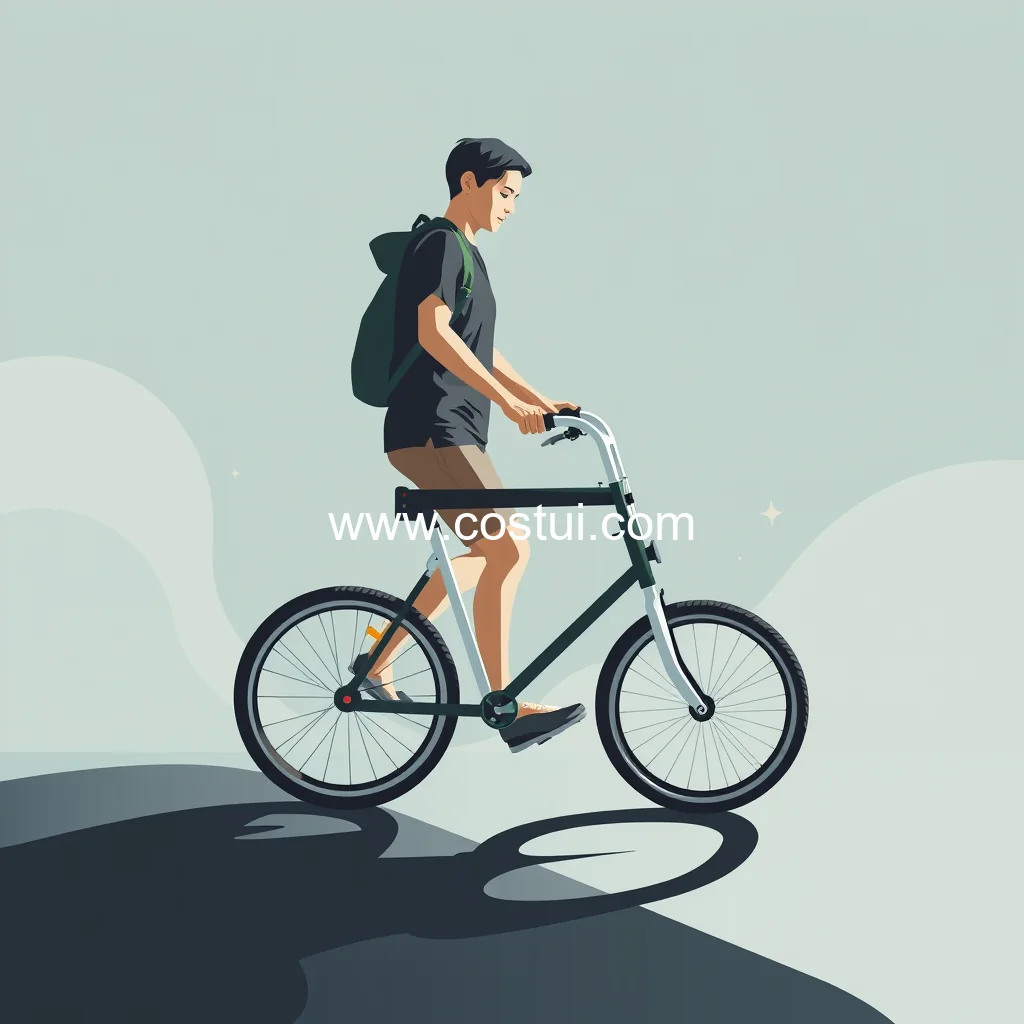
The device is lightweight, easy to maneuver, and can be used in various settings, including public spaces, homes, and workplaces.
Introduction
Pedestrian is a walking aid that offers a convenient and practical solution for individuals with mobility issues.
Modular design enables shared use and adaptability, making it a highly versatile product.
Modular Design and Transformability
The Pedestrian’s modular design is its most striking feature. This allows users to easily swap out worn or damaged components, making it a highly adaptable and versatile product. The design enables shared use, allowing multiple users to benefit from the same device. This is particularly useful for organizations or communities that require a high volume of users. Key benefits of the modular design include:
- Easy replacement of worn or damaged parts
- Enables shared use and continued adaptability
- Each element is fully interchangeable
- Tailored to users’ evolving needs
- Resource depletion
- Pollution
- Waste generation
- Climate change
The modular design also allows for a wide range of customization options. Users can choose from a variety of components, including different modes, interfaces, and accessories. This enables users to tailor the device to their specific needs and preferences.
Intuitive Mode-Switching
One of the most significant advantages of the Pedestrian is its intuitive mode-switching system.
Sustainable design prioritizes the environment over aesthetics.
The Art of Sustainable Design: A Look at the “Eco-Friendly” Project by [Designer’s Name]
In the realm of design, sustainability has become an increasingly important aspect of creating innovative and environmentally conscious projects. The recent submission to our DIY submissions feature, “Eco-Friendly” by [Designer’s Name], is a prime example of this trend. This project showcases the designer’s commitment to reducing waste and promoting eco-friendliness in their design process.
The Problem with Traditional Design
Traditional design often prioritizes aesthetics over sustainability, resulting in products that are not only visually appealing but also environmentally detrimental. The production process, packaging, and disposal of these products can have severe consequences on the environment. For instance, the manufacturing of plastic products requires non-renewable resources, contributes to pollution, and harms marine life. Some of the most common environmental issues associated with traditional design include:
The Solution: Eco-Friendly Design
Eco-friendly design, on the other hand, aims to minimize the negative impact of design on the environment. This approach involves considering the entire lifecycle of a product, from production to disposal, and making conscious design decisions to reduce waste and promote sustainability.

news is a contributor at CostUI. We are committed to providing well-researched, accurate, and valuable content to our readers.